
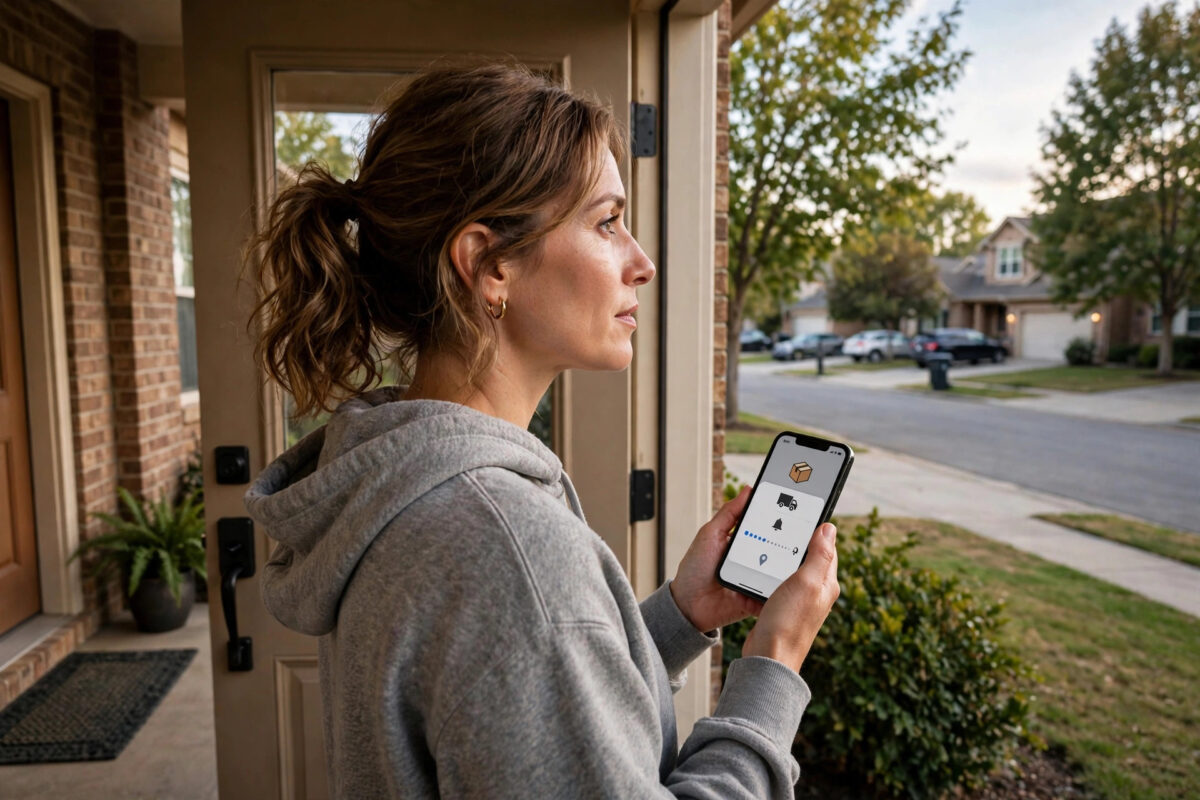
Your parcel was supposed to arrive today. Instead, DPD tracking shows nothing, an error, or a delivery estimate frozen in the past — and it is happening on the very day a Google Cloud outage knocked DPD’s systems sideways along with half the UK’s banking apps. A missing parcel plus broken tracking feels like the worst combination, but the two problems are usually one problem, and it is rarely that your parcel is lost.
This guide explains what tracking failures actually mean, what to check, and the right order for escalating if your parcel genuinely does not surface.
Quick Answer
When DPD tracking is down during a known outage, your parcel is almost certainly safe in the delivery network — it is the information about it that is unavailable. Note your parcel number, check DPD’s official channels and an outage tracker, and wait for systems to recover before concluding anything. If tracking stays dead or the parcel misses its window by a day or more after systems recover, contact the seller first, then DPD with your parcel reference.
Why Tracking Breaks Without Your Parcel Being Lost
Tracking is a data service layered on top of physical logistics. Vans still drive, depots still sort, and drivers still knock on doors while the tracking layer is down — the scans simply cannot be recorded, transmitted, or displayed. During the 20 October 2026 incident, DPD was one of the services hit by the Google Cloud europe-west2 power event, so its customer-facing tracking failed while parcels kept moving through the network.
This is why the tracking page can look alarming in several distinct ways during an outage. It may fail to load at all. It may load but show your parcel stuck at a scan from hours ago. Or it may show a delivery estimate that slides quietly into the past. All three mean “we cannot currently tell you,” and none of them mean “your parcel has vanished.” The general outage picture behind days like this is explained in our article on what caused the Google Cloud outage that took UK banking apps offline.
Your First Checks
- Find your parcel reference. It is in the seller’s dispatch email, the DPD notification, or the retailer’s order page. Everything later depends on having it.
- Check whether it is a known outage. Search an outage tracker for DPD and look at DPD’s official site and social accounts for incident posts.
- Try a second route to tracking. The DPD app and website sometimes fail separately; also try the link in your original delivery email.
- Read the last real scan carefully. “Received at depot” or “out for delivery” before the outage began tells you roughly where in the journey your parcel is.
- Check your door, safe place, and neighbours. Parcels do get delivered during tracking outages, because drivers work from their own devices and routes. A card through the door may be your only “tracking update” today.
If the checks confirm a platform outage, the correct action is genuinely nothing but patience. Systems typically recover in stages, and tracking histories usually backfill: the scans that could not display during the incident appear afterwards as the data syncs.
What To Do While Systems Recover
Keep the parcel number and any screenshots of the last known status somewhere safe. If the delivery was time-sensitive — medication, documents, an event outfit — contact the seller, not just the courier. Sellers choose the courier, hold the contract with them, and can often resend, refund, or upgrade a replacement faster than a courier’s customer line can help a receiver.
Avoid paying anyone who contacts you about the parcel today. Outage days are prime time for the classic fake delivery text: “Your parcel could not be delivered, pay a redelivery fee here.” DPD does not collect redelivery fees by text link. Type DPD’s official website address yourself rather than following any link sent to you while tracking is in chaos.
Escalating Properly If the Parcel Stays Missing
Escalation has a threshold: tracking still dead or the parcel overdue roughly a day beyond its promised window after general services have recovered. Before that point, support teams can only tell you what the status page says.
Start with the seller. Under UK consumer rules, the seller is responsible for the goods until they are in your hands, so a genuinely lost parcel is their problem to solve with the courier, and your refund or replacement comes from them. Give them the order number, the parcel reference, and the timeline.
Contact DPD directly as well if tracking shows something specific and wrong, such as delivered to an address you do not recognise. Use the contact routes on DPD’s official site, with the parcel number ready. If a parcel is declared lost, the seller’s claim with DPD runs behind the scenes while your replacement or refund proceeds — you should not have to wait for their insurance process to finish.
Preparing Better for the Next Delivery
One chaotic delivery teaches habits that make the next one boring. Save the parcel number the moment any order ships, in the same place every time — a notes app, a starred email — so an outage never finds you digging. Turn on notifications in the courier’s app as well as email; the two channels fail at different times and together cover more failures.
For important deliveries, choose options that add resilience: a pickup point or locker, which holds the parcel safely regardless of tracking drama, or a delivery day you will be home. And keep one truth filed away from today’s experience — the physical network is sturdier than the digital one describing it. Parcels survive outages far better than the tracking pages do, so a calm day of waiting is usually the whole remedy.
Common Mistakes to Avoid
- Assuming down tracking means a lost parcel. The information layer fails far more often than the logistics layer.
- Paying a “redelivery fee” from a text message. This is the standard delivery scam, and outage days are its busiest season.
- Chasing the courier before the seller. Your contract is with the seller; they own the problem and the courier relationship.
- Losing the parcel reference. Every support conversation starts with it. Screenshot it the moment a delivery is arranged.
- Panic-ordering a replacement immediately. Parcels in an outage backlog often arrive a day late and perfectly fine, leaving you with two.
Conclusion
A dead tracking page during an outage is a blindfold, not a loss. Your parcel is very likely still moving through the network while the systems that describe its journey recover. Keep your reference number safe, ignore every suspicious delivery text, give the backlog a day to clear, and escalate through the seller if the parcel truly fails to appear.
Frequently Asked Questions
Can my parcel be delivered while tracking is down?
Yes. Drivers work from their routes and handheld devices, so deliveries continue during display outages. Check your safe place, doorstep, and neighbours, and look for a delivery card.
How long should I wait before reporting a missing parcel?
Give it until services have recovered plus about a day beyond the promised delivery window. If tracking is still dead or the parcel has not arrived by then, contact the seller.
Will my tracking history reappear after the outage?
Usually yes. Scans recorded during the incident sync afterwards, so the journey often backfills and looks normal again once systems stabilise.
Who refunds me if the parcel is really lost — DPD or the seller?
The seller. Your purchase contract is with them, so they provide the refund or replacement and pursue their own claim with the courier separately.
DPD tracking says delivered, but I have nothing. What now?
Check safe places, neighbours, and any photo evidence in the tracking details. If it is genuinely nowhere, tell the seller promptly with the details; misdelivered parcels are their responsibility to resolve with DPD.


Leave a Reply