
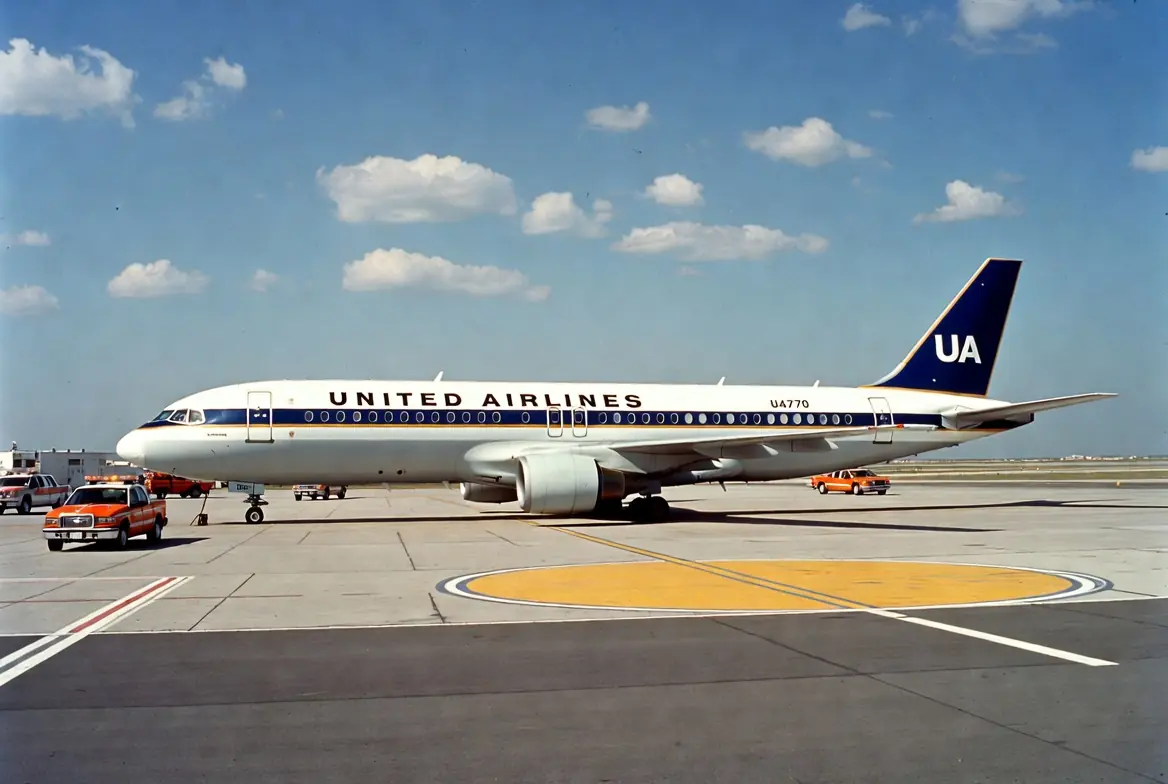
In the fast-paced world of commercial aviation, safety is paramount. On May 27, 2025, United Airlines Flight UA770 became a stark reminder of this principle when it declared an emergency mid-flight and diverted to an alternate airport. This incident, involving a Boeing 787-9 Dreamliner en route from Barcelona to Chicago, captured global attention due to its swift resolution and the professionalism displayed by the crew. While no one was injured, the event highlighted the intricate systems that keep passengers safe at 30,000 feet.
The united airlines flight ua770 emergency diversion wasn’t just a routine detour; it underscored the aviation industry’s zero-tolerance policy for potential risks. Cabin pressurization issues, squawk 7700 alerts, and precautionary landings are terms that might sound alarming, but they are part of well-rehearsed protocols designed to prevent disasters. In this comprehensive article, we’ll dive deep into what happened, why it occurred, the response from United Airlines, and broader lessons for travelers and the industry. Whether you’re a frequent flyer curious about behind-the-scenes operations or an aviation enthusiast seeking in-depth analysis, this piece offers valuable insights, backed by facts, statistics, and expert perspectives.
Aviation diversions like this one occur more frequently than many realize. According to the Federal Aviation Administration (FAA), U.S. airlines report thousands of diversions annually, with mechanical issues accounting for about 30% of cases. Understanding events like the united airlines flight ua770 emergency diversion helps demystify air travel and reinforces why it’s one of the safest modes of transportation.
Flight Details: The Journey of United Airlines Flight UA770
United Airlines Flight UA770 is a regularly scheduled transatlantic service connecting Barcelona El Prat Airport (BCN) in Spain to Chicago O’Hare International Airport (ORD) in the United States. On the day of the incident, May 27, 2025, the flight was operated by a state-of-the-art Boeing 787-9 Dreamliner, registration number N26902. This wide-body aircraft is known for its advanced composite materials, fuel efficiency, and passenger-friendly features like larger windows and improved cabin air quality.
The flight departed Barcelona on time, carrying approximately 257 passengers and 12 crew members—a mix of tourists returning from European vacations, business travelers, and families. The Boeing 787-9, with its range of over 7,500 nautical miles, is ideally suited for such long-haul routes, cruising at speeds up to 560 mph and altitudes around 37,000 feet. The planned flight path took it over the Atlantic Ocean, a route that demands precise navigation due to limited alternate landing options mid-ocean.
Everything proceeded normally during takeoff and initial climb. Passengers settled in for the roughly 9-hour journey, enjoying in-flight entertainment and meals. However, about 90 minutes into the flight, while over European airspace, an anomaly was detected. This marked the beginning of the united airlines flight ua770 emergency diversion, transforming a standard trip into a carefully managed safety operation.
For context, the Boeing 787 series has flown millions of hours since its introduction in 2011, with a strong safety record. Yet, like any complex machine, it relies on redundant systems to handle unexpected issues. In this case, the aircraft’s advanced avionics played a crucial role in early detection.
What Led to the Emergency: Unpacking the Cabin Pressurization Issue
The core reason behind the united airlines flight ua770 emergency diversion was a potential irregularity in the aircraft’s cabin pressurization system. At cruising altitudes, the air outside is too thin for humans to breathe comfortably, so airplanes maintain a pressurized cabin equivalent to about 8,000 feet above sea level. This system is vital for passenger comfort and safety, preventing hypoxia (oxygen deprivation) and other altitude-related issues.
According to reports, the flight crew received a cockpit alert indicating a possible anomaly in this system. Importantly, there was no actual decompression event—no sudden drop in pressure, and oxygen masks did not deploy. The alert was precautionary, detected by the plane’s sophisticated monitoring tools, which include sensors and computers that constantly scan for deviations.
Why does this happen? Cabin pressurization systems on modern jets like the 787 use engine bleed air to compress and circulate oxygen-rich air. Potential causes for alerts include minor sensor malfunctions, valve issues, or even software glitches—though in this incident, no confirmed failure was later identified. Aviation experts note that such alerts are designed to err on the side of caution, especially over remote areas where options are limited.
Statistics from the Aviation Safety Network show that pressurization-related incidents account for less than 5% of in-flight emergencies, but they prompt immediate action due to their potential severity. For example, in 2005, Helios Airways Flight 522 suffered a fatal pressurization failure, leading to enhanced training and checks industry-wide. The united airlines flight ua770 emergency diversion demonstrates how lessons from past events have improved response times.
Pros of early detection systems:
- Prevents escalation: Alerts allow crews to act before problems worsen.
- Enhances safety: Redundant backups ensure continued operation.
Cons:
- Can cause unnecessary diversions: False positives lead to delays and costs.
- Passenger anxiety: Even minor alerts can alarm those unfamiliar with procedures.
In this case, the crew’s decision to declare an emergency was textbook, prioritizing safety over schedule.
The Diversion Process: From Alert to Alternate Landing
Once the alert sounded, the pilots of United Airlines Flight UA770 followed standard operating procedures. They first assessed the situation using checklists, consulting with the airline’s dispatch center via satellite communication. Deciding the issue warranted caution, they squawked 7700—a transponder code that signals a general emergency to air traffic control (ATC). This code grants the flight priority over other traffic, clearing the path for a swift diversion.
The chosen alternate was London Heathrow Airport (LHR), one of Europe’s busiest hubs. Why Heathrow? Its proximity to the flight’s position over Europe, capacity for wide-body jets, and robust emergency infrastructure made it ideal. ATC coordinated seamlessly, vectoring the plane away from its original path and preparing ground teams.
During descent, the crew briefed passengers calmly, explaining the precautionary nature of the diversion. Flight attendants secured the cabin, ensuring everyone was seated with seatbelts fastened. The aircraft descended gradually to a safer altitude where pressurization demands are lower, mitigating any potential risks.
This process highlights the collaborative nature of aviation emergencies. Pilots, ATC, and ground crews work in tandem, drawing on years of training. For instance, the International Civil Aviation Organization (ICAO) mandates that crews declare emergencies for any doubt about safety, as seen here.
Actionable tip for pilots (or aspiring ones): Always cross-verify alerts with multiple instruments before escalating, but never hesitate if uncertainty persists.
You also read: Wheon grand theft auto: The Complete Timeline, History, and Future of the GTA Series
Safe Landing and Immediate Aftermath
United Airlines Flight UA770 touched down safely on Heathrow’s Runway 27R at approximately 4:55 PM British Summer Time (BST). Emergency vehicles, including fire trucks and ambulances, were positioned along the runway as a standard precaution, but they weren’t needed. The landing was smooth, with no reported issues.
Upon taxiing to Gate B44, the aircraft underwent a one-hour inspection by ground engineers. Passengers disembarked orderly, with no reports of panic or injuries. United Airlines provided immediate assistance, including meal vouchers, hotel accommodations for those affected, and rebooking on subsequent flights to Chicago or connecting destinations.
The aftermath was handled efficiently. The Boeing 787-9 was grounded temporarily for a thorough review, involving United’s maintenance team and Boeing representatives. No major faults were found, and the plane returned to service after checks, underscoring the precautionary aspect of the diversion.
Passenger impact was minimal in terms of physical harm but included travel disruptions. Some missed connections, leading to overnight stays in London. Emotionally, such events can cause stress, but post-incident surveys often show passengers appreciating the crew’s transparency.
Passenger Experiences: Stories from Onboard United Airlines Flight UA770
While official reports focus on facts, passenger anecdotes add a human touch to the united airlines flight ua770 emergency diversion. Imagine settling into your seat, sipping coffee, when the captain announces: “Folks, we’re diverting to London due to a technical indication. Everything is under control.”
One hypothetical example: A business traveler might have used the time to reschedule meetings, praising the Wi-Fi for staying connected. A family with children could have felt anxious but reassured by flight attendants’ calm demeanor. Real-world parallels from similar incidents, like a 2018 Southwest diversion, show that clear communication reduces fear.
Tips for passengers during emergencies:
- Stay seated and follow instructions.
- Use airline apps to track rebookings.
- Pack essentials like medications in carry-ons for unexpected stops.
Pros of being informed: Builds trust and reduces rumors. Cons: Can heighten anxiety if details are sparse.
Advanced readers might note that passenger apps like United’s allow real-time updates, turning potential chaos into managed inconvenience.
United Airlines’ Response and Regulatory Oversight
United Airlines responded promptly to the united airlines flight ua770 emergency diversion, emphasizing their commitment to safety. The airline issued a statement confirming the precautionary nature, assisting passengers with rebookings, and cooperating with investigations.
The FAA requested a post-incident report, standard for any emergency declaration. Boeing participated in the review, analyzing data from the flight’s black boxes. No regulatory changes stemmed directly from this event, but it contributed to ongoing safety data.
United’s safety record is solid: In 2024, they achieved a 99.9% completion rate for flights, with diversions rare. This incident aligns with their “Safety First” mantra, involving rigorous training—pilots undergo simulator sessions every six months for scenarios like pressurization failures.
Broader implications: Airlines invest billions in predictive maintenance, using AI to foresee issues. For United, this diversion reinforced the value of such tech.
Broader Implications for Aviation Safety and Industry Trends
The united airlines flight ua770 emergency diversion isn’t isolated; it’s part of a larger pattern in aviation. Global air traffic is booming, with the International Air Transport Association (IATA) projecting 4.7 billion passengers in 2024, up from pre-pandemic levels. With more flights, diversions rise—about 1 in 1,000 flights diverts for non-weather reasons.
Statistics: Mechanical diversions dropped 20% over the last decade thanks to better engineering. However, climate change introduces new risks, like increased turbulence, which caused a Singapore Airlines diversion in 2024.
Examples of similar incidents:
- Delta Flight 143 in 2023 diverted due to pressurization, safely landing with no issues.
- Historical: United Flight 232’s 1989 crash-landing after hydraulic failure led to improved designs.
Pros of strict protocols: Saves lives, as in this case. Cons: Costs airlines millions— a single diversion can exceed $100,000 in fuel, crew, and accommodations.
Actionable insights: Airlines should enhance passenger communication via apps; regulators could mandate more transparent reporting.
For beginners: Remember, diversions are safety nets, not failures. For advanced: Study ICAO Annex 6 for operational standards.
Internal linking suggestions:
- Related: Common Causes of Flight Diversions
- Boeing 787 Safety Features
- What Is Squawk 7700?
Pros and Cons of Emergency Diversion Protocols
Pros:
- Prioritizes life: Better safe than sorry.
- Builds confidence: Shows systems work.
- Improves over time: Data from incidents refines tech.
Cons:
- Financial burden: Delays ripple through networks.
- Environmental impact: Extra fuel burn increases emissions.
- Passenger inconvenience: Stress and lost time.
In the united airlines flight ua770 emergency diversion, pros far outweighed cons, with a flawless outcome.
Conclusion: Lessons from the United Airlines Flight UA770 Emergency Diversion
The united airlines flight ua770 emergency diversion serves as a testament to aviation’s robust safety framework. From the initial alert on the Boeing 787-9’s pressurization system to the safe landing at London Heathrow, every step reflected preparedness and professionalism. No injuries occurred, and passengers were swiftly assisted, highlighting United Airlines’ dedication to their well-being.
Key takeaways: Emergencies are rare but managed effectively; technology and training are lifesavers; and transparency eases fears. As air travel evolves, incidents like this drive improvements, ensuring safer skies.
If you’re planning a trip, consider downloading airline apps for updates and always heed crew instructions. Have you experienced a diversion? Share in the comments—your story could help others. Fly safe!
FAQ: Common Questions About United Airlines Flight UA770 Emergency Diversion
What caused the united airlines flight ua770 emergency diversion?
The diversion was due to a precautionary alert on the cabin pressurization system. No actual failure occurred, but the crew acted to ensure safety.
Where did United Airlines Flight UA770 divert to?
The flight diverted to London Heathrow Airport (LHR) from its original route between Barcelona and Chicago.
Were there any injuries during the united airlines flight ua770 emergency diversion?
No, all passengers and crew were safe, with no injuries reported.
What is squawk 7700, and why was it used in this incident?
Squawk 7700 is an emergency transponder code alerting ATC to a general emergency, granting priority. It was used here for the pressurization alert.
How did United Airlines handle passengers after the diversion?
The airline provided rebookings, accommodations, and vouchers, ensuring minimal disruption.
Is the Boeing 787-9 safe after this event?
Yes, the aircraft was inspected and returned to service. The 787 has an excellent safety record, with this being a precautionary measure.




Be First to Comment